Standard Stamping Punches
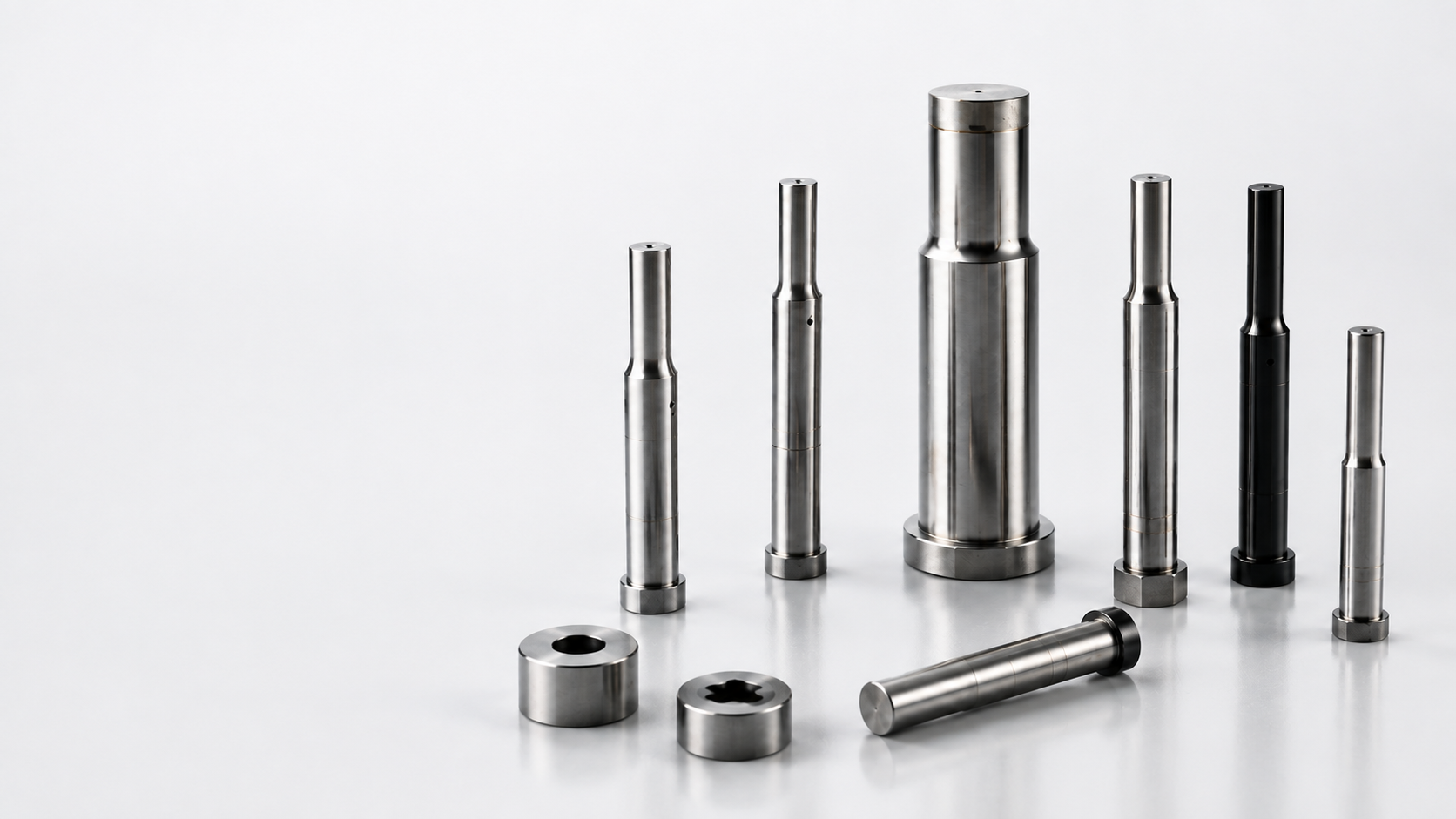
Standard stamping punches for die construction, maintenance, and replacement requirements based on defined styles, dimensions, drawings, or part references.
Precision components for mold, die and stamping-tooling manufacturers
Drawing-based RFQ support
Precision Punch Solutions
HESENT is a precision punch solution provider with controlled manufacturing capability, supporting standard stamping punches, custom punches, carbide punches, and progressive die punch requirements.
Solutions are reviewed according to the buyer’s drawing, punch geometry, material, precision requirements, operating conditions, and order quantity.
For tool-and-die companies, stamping manufacturers, industrial distributors, and OEM sourcing teams.
Product Categories
Punch requirements are reviewed in relation to geometry, workpiece material, thickness, clearance, operating conditions, and purchasing needs.
Standard stamping punches for die construction, maintenance, and replacement requirements based on defined styles, dimensions, drawings, or part references.
Drawing-based custom punches for special profiles, stepped geometry, small working diameters, and other non-standard requirements.
Carbide punches for technically reviewed applications where wear conditions, geometry, and production requirements justify a carbide solution.
Punch solutions for progressive die stations, evaluated using the drawing, station information, workpiece material, thickness, clearance, and operating conditions.
Representative Products
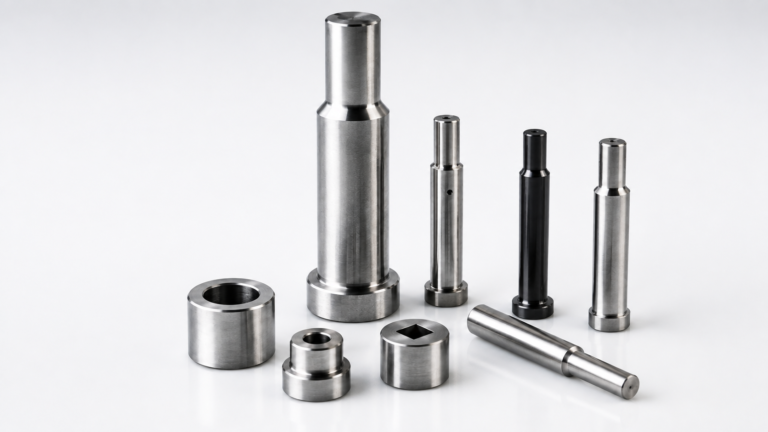
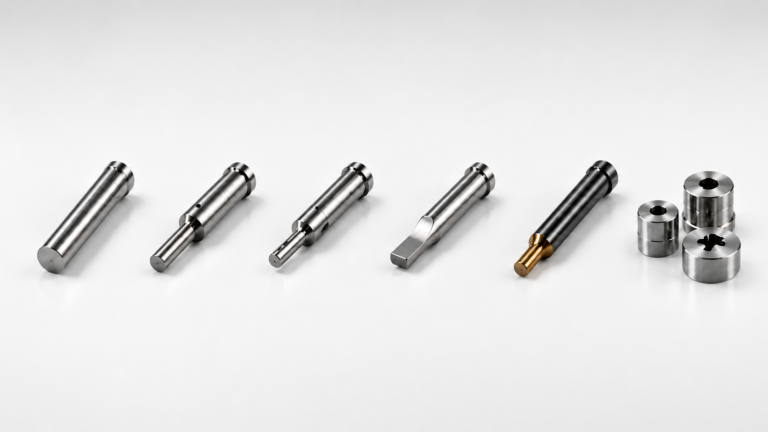
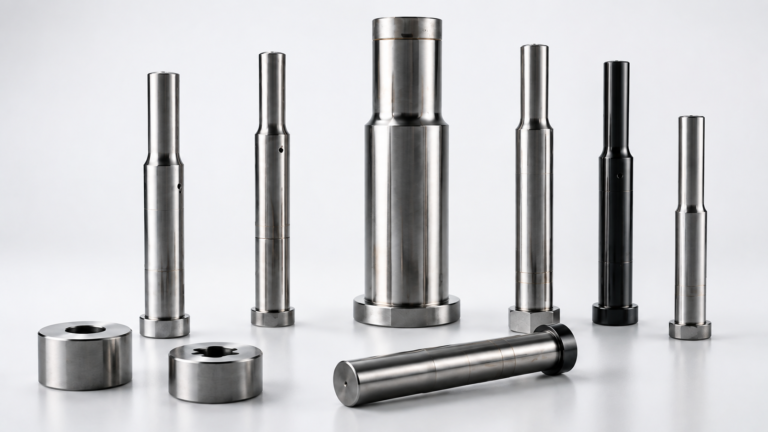
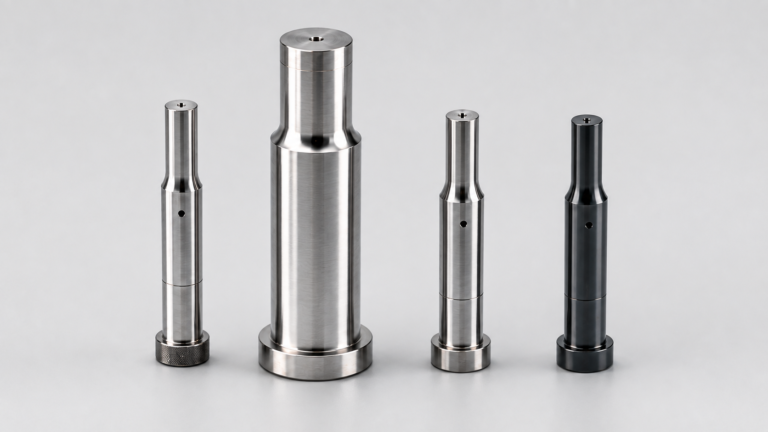
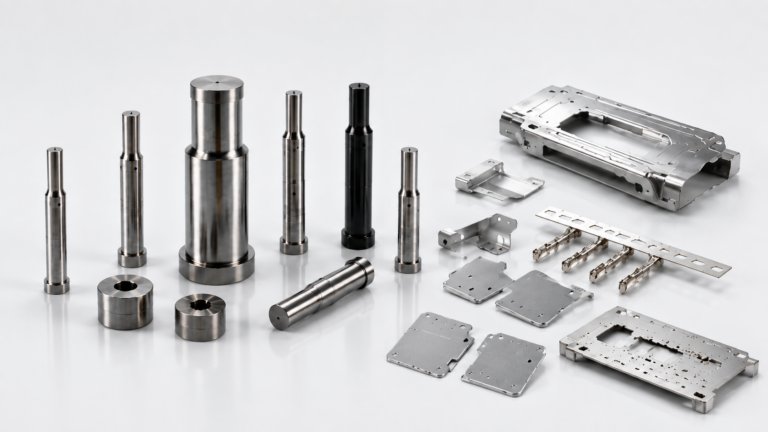
Representative punch forms for standard, drawing-based, small-diameter, and carbide requirements. Final geometry, material, and availability are confirmed during RFQ review.
Standard / Replacement
Straight-body punch geometry for stamping, piercing, die maintenance, and replacement requirements.
Standard / Custom
Shouldered punch geometry for defined retention, location, or load-transfer interfaces in the die assembly.
Custom / Replacement
Orientation-controlled punch with a key groove or locating feature defined by the mating assembly.
Drawing-Based Custom
Multi-diameter or multi-section punch manufactured to controlled drawing geometry for custom tooling.
Drawing-Based Custom
Slender working geometry reviewed for unsupported length, alignment, clearance, and operating conditions.
High-Wear / Custom
Tungsten carbide punch solution evaluated for wear demand, geometry, mounting, alignment, and impact risk.
Application-Defined Requirements
Punch material and precision requirements are reviewed in relation to hardness, geometry, treatment, surface condition, and the operating environment.
| Materials | SKD11, SKH40, SKH51, Tungsten Carbide |
|---|---|
| Hardness | Specified according to the approved material and application requirements. |
| Precision capability | Reviewed against geometry, material, treatment, and inspection requirements. |
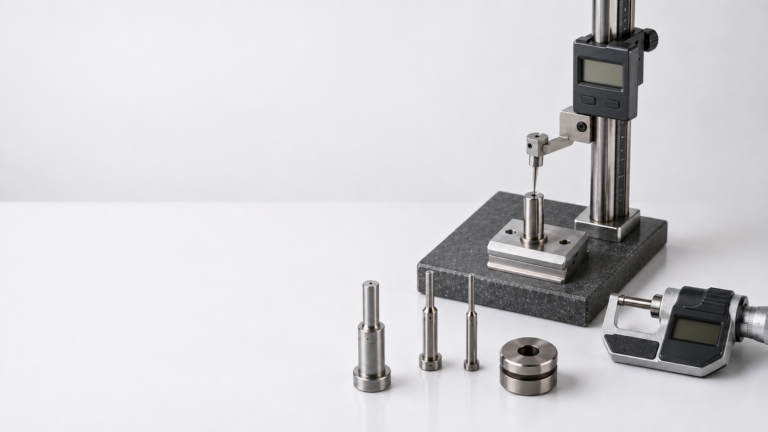
Drawing and requirement review; material and process planning; precision machining; treatment where required; precision grinding and finishing; inspection against agreed requirements.
Surface Engineering
Surface-treatment requirements are reviewed according to punch material, workpiece material, geometry, wear conditions, and required surface behavior.
TiCN requirements may be submitted for review where wear or friction is an application concern.
DLC requirements may be reviewed where friction, adhesion, or material pickup is relevant.
Polishing requirements may be specified for working surfaces where surface condition or release behavior is important.
Tooling Context
Requirements reviewed according to stamped material, thickness, geometry, tooling conditions, and inspection needs.
Punch requirements involving fine features, controlled geometry, and progressive tooling conditions.
Standard, custom, and carbide punch requirements for progressive die stations, maintenance, and replacement programs.
Punch requirements for precision piercing and forming operations defined by the drawing and operating conditions.
Controlled Review and Release

Requirements are reviewed against the submitted drawing, revision, material, critical dimensions, and surface-treatment requirements.
Specified features are inspected against the approved drawing and agreed acceptance requirements.
Material, process sequence, drawing revision, and inspection requirements remain connected throughout the order.
Provide the drawing or part reference, revision, quantity, material, hardness, surface treatment, critical dimensions, application conditions, and inspection requirements.
HESENT provides solutions for standard stamping punches and drawing-based custom punches. Final availability is confirmed after reviewing the specification and quantity.
Yes. Submit the part number or BOM together with the applicable standard, key dimensions, and any substitution restrictions so the requirement can be reviewed correctly.
Yes. Include the controlled drawing and revision, material, hardness, surface treatment, critical tolerances, and required quantity.
Carbide may be considered where wear conditions or edge-retention requirements justify it. Geometry, unsupported length, alignment, impact risk, and mating die conditions must also be evaluated.
Provide the punch drawing, station information or strip layout where available, workpiece material and thickness, clearance, press speed, lubrication, current failure mode, and quantity.
Capability depends on punch geometry, size, material, heat treatment, surface treatment, datum structure, and inspection method. Required tolerances should be identified on the drawing and confirmed during technical review.
Documentation requirements should be specified in the RFQ. Available material, process, and inspection documents will be confirmed during quotation.
Technical and Commercial Review
Submit your drawing, part number, BOM, or application details. Include the material, hardness, surface treatment, critical dimensions, quantity, inspection requirements, and required delivery date where available.
Send the product model or drawing, material, tolerance, quantity, application, and target delivery requirement for review.